Reference · Space for Cycling
Space for Cycling: the London ward asks, the campaign and six themes
Updated
Riding a bike in heavy traffic is an exercise in managing space. The junction at the top of the arterial road has a painted left turn filter that fades into nothing right where the heavy morning traffic accelerates, leaving you sandwiched between heavy goods vehicles, drainage grates and the pavement edge. Finding actual room requires a council to commit physical square footage to people riding bikes. Paint is not infrastructure. This simple premise formed the backbone of the Space for Cycling campaign in 2014. Riders need physical separation to stay safe, and providing that separation means taking road width away from motor vehicles. That creates friction. This tension is exactly where political campaigns do their most important work, turning abstract desires for active travel into concrete commitments on local maps. Without a clear demand for space, transport budgets can be absorbed by road widening schemes that only make the junction worse.
Where Space for Cycling came from
Before local elections dictate a new transport strategy, groups try to pin candidates down to specific promises. The space for cycling campaign started with the London Cycling Campaign ahead of the May 2014 local elections. The goal was to secure commitments that would translate into concrete changes on the ground. People riding bikes had spent years asking for better conditions with varying results, and councils would often respond with minor tweaks that did little to alter the actual danger of a route.
Pleading for minor pavement adjustments year after year is a piecemeal approach that burns people out. You cannot build a city wide network one small fix at a time. The new strategy shifted the burden of proof. Groups used rides during the Get Britain Cycling debate and party conferences in 2013 to show how many people wanted safe routes. The concept became a way to demand systemic change instead of isolated fixes, asking politicians to promise clear space before they earned a vote.
The six themes
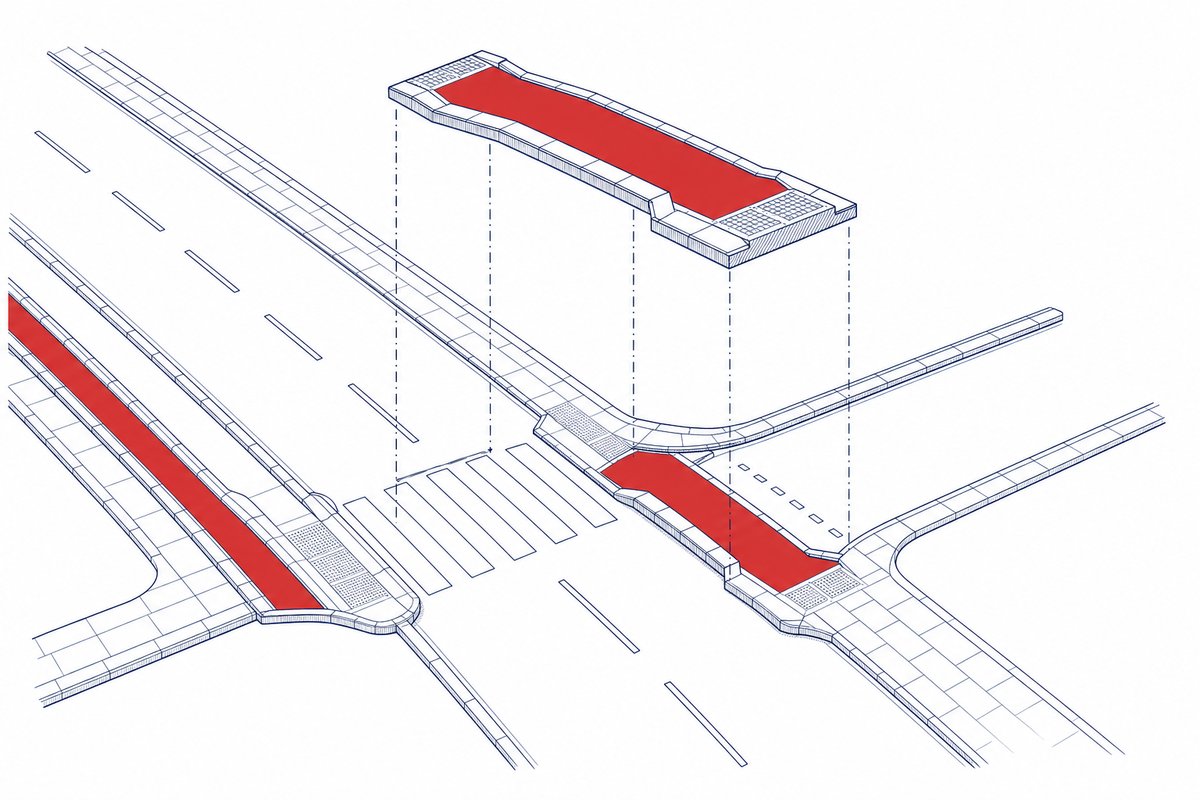
Instead of listing vague aspirations, the project rested on six concrete themes that defined a complete physical route. First, it called for protected space on main roads to keep riders away from heavy vehicles. In practice that points to physical kerbs and wands, not just white lines that drivers could drift across. Second, it demanded the removal of through motor traffic from residential streets. This prevents drivers from using quiet neighbourhoods as shortcuts, effectively creating low traffic areas where families can ride side by side.
Third, it sought lower vehicle speeds across the board, making the inevitable interactions between cars and bikes far less lethal. Fourth, it pushed for safe routes to schools so children could ride safely without their parents fearing the morning rush. Fifth, it required town centres to become easier to reach by bike. Shoppers need secure parking. They need direct routes that do not force them into complex one way systems designed entirely for cars.
Finally, it asked for green spaces to be opened up to cycling. Parks and towpaths offer natural desire lines across a city, provided the gates are wide enough to let a cargo trailer through. These six demands covered the entire ride from a quiet residential start point to a busy urban destination.
The 2014 ward asks in London
The London implementation turned these six themes into highly specific local demands. Ahead of the May 2014 local elections, campaigners asked every council candidate to back safer cycling and one specific improvement in their specific ward. These ward asks varied from safe routes to a named primary school to a fully protected track on a named main road. You could not just promise to support cycling in general. A candidate might be asked, for example, to fix the junction of a named high street, or to close a specific rat run in your neighbourhood.
The approach worked as a powerful political wedge. Half of all the candidates agreed to the demands. They put their names to specific infrastructure pledges. When the votes were counted across the city, those supporters made up 47 per cent of the newly elected councillors. That gave campaigners a public promise to hold up in the council chamber whenever a committee tried to quietly drop a tricky scheme citing budget constraints. It forced local politicians to own the traffic changes in their area.
The national campaign
While London focused on its boroughs, a broader push began for the rest of the country. Cycling UK, which was known as the CTC until April 2016, ran a national version that launched for areas outside the capital. The national site went live on 14 April 2014. The ambition was to create conditions where anyone could cycle anywhere safely. This meant dedicated space on busy roads and lower speeds on quiet streets. A painted lane that gives up at a roundabout is useless to a novice rider.
The national campaign treated traffic free routes as an addition to safe roads, not a replacement for them. You cannot banish riders to muddy canal paths that lack lighting in the winter and claim the job is done. It also demanded maintenance with cycling in mind, like clearing glass and fixing potholes near the kerb where riders actually travel. The national process set a clear framework for local authorities across the country. Plan a network. Fund it. Build it to high standards.
What the design guidance says now
The early demands for dedicated room eventually matured into formal government guidance that councils are expected to follow today. The publication of the Department for Transport document LTN 1/20 on 27 July 2020 changed the rules for highway engineers in England. Its summary principles state that cycles must be treated as vehicles and not as pedestrians, and that cyclists must be physically separated and protected from high volume motor traffic, both at junctions and on the stretches of road between them. Wales and Scotland have their own guidance: the Welsh Active Travel Act guidance and Transport Scotland's Cycling by Design, both in 2021 editions.
Read side by side, the 2014 themes and the 2020 principles ask for much the same thing: room on main roads and junctions that do not throw riders back into traffic.
Using the approach locally
When a council announces a new scheme, they publish a set of plans that details every proposed change. Open the plan, spot where the track vanishes, and state your objection clearly.
A count sheet from a single morning shows exactly where the current layout fails. Take those numbers to your local highways team. Use the six original themes as a checklist to see if a proposed design actually delivers a safe route. Check if the scheme removes through traffic or merely slows it down. Look at the width of the protected track and check it against the latest guidance. The campaign guides explain each step, and the groups directory lists who is already doing this work. Your next step is to find the open consultations on your council website, download the latest highway plan, and submit a specific, formal objection to any design that leaves riders stranded at a busy junction.
Space for Cycling questions
Q 7.1Who started Space for Cycling?
The initiative was initiated by the London Cycling Campaign ahead of the May 2014 local elections. It began as a coordinated effort to secure specific infrastructure promises from local council candidates across the capital. Cycling UK then ran a national version for areas outside London.
Q 7.2What are the six Space for Cycling themes?
The project focused on lower vehicle speeds, removing through motor traffic from residential streets, and protected space on main roads. It also demanded opening green spaces to cycling, safe routes to schools, and making town centres easier to reach by bike. These points covered the full physical route from a quiet residential street to a busy urban destination.
Q 7.3Is Space for Cycling still running?
The original branded drive has evolved, but its aims continue through modern advocacy. Cycling UK continues to push the objectives through its Cycle Advocacy Network. Later guidance, such as the Department for Transport's LTN 1/20 of July 2020, deals with the same questions of space on main roads and at junctions.
Q 7.4How can a local group use Space for Cycling?
Local groups can use the original themes as a framework to evaluate new council street designs. By comparing a proposed scheme against the requirements for protected space and safe routes, volunteers can submit structured consultation responses. Identifying a specific ward ask remains a reliable way to hold councillors accountable to their promises.