Everyday cycling, streets and the campaigns behind them
Cycle campaigning in the UK, from local groups to the rules of the road
Cyclenation follows everyday cycling and cycle campaigning in the UK, from Cornwall to County Antrim: the streets people ride on, the rules that apply to them, and the local cycle campaign groups that keep asking councils for better. Read the guides, find a group near you, check what the law says, and browse the archive of a federation that linked local campaigns for almost thirty years.
Find local cycle campaign groups
Local cycle campaign groups are volunteer-run. They read planning applications, answer consultations, ride new schemes and talk to councillors. Most of them are small: a committee of five or six, a mailing list, a monthly meeting in a library or a pub. What they have that a council officer does not is local knowledge, ridden every day. Choose a region to see established groups; each name links to its own site.
London
London Cycling Campaign — a local group in every London borough, which leads the response to schemes in its own area.
South East
Cyclox (Oxford) — pushes for 20 mph streets, safer junctions and an end to road deaths in the city.
East of England
Camcycle (Cambridge) — comments on planning applications and transport schemes in and around Cambridge.
South West
Bristol Cycling Campaign — responds to schemes for the city's routes and junctions.
West Midlands
Push Bikes (Birmingham) — has put ward-level demands to council candidates and sits on the steering group of the Bike West Midlands Network.
East Midlands
Pedals (Nottingham) — the Greater Nottingham group, formed in 1979; monthly organising meetings are open to anyone.
North West
Walk Ride GM (Greater Manchester) — campaigns for walking, wheeling and cycling across the ten boroughs.
North East
Newcycling (Newcastle) — formed in 2010 to ask for dedicated space for cycling, and publishes its consultation responses.
Yorkshire
Leeds Cycling Campaign · Cycle Sheffield — two city groups that answer their councils' consultations.
Wales
Cardiff Cycle City — a voluntary group set up in 2014 that works with the council on the city's network.
Scotland
Spokes (Lothian) · GoBike (Strathclyde) — Spokes covers Edinburgh and the Lothians; GoBike runs campaigns such as 20 mph for Glasgow.
Northern Ireland
Belfast Cycling Campaign — city-wide group whose volunteers have used bike buses to show what safer streets look like.
The directory grows region by region. Missing a group in your area? Tell us through the contact page and we will check it and add it.
Changes worth knowing about
The Highway Code adds a hierarchy of road users. Rule H1 places the greatest responsibility on those who can do the greatest harm; H2 gives people walking priority when crossing at junctions; H3 tells drivers not to cut across people cycling when turning.
Passing distances written down: at least 1.5 metres when overtaking a cyclist at speeds up to 30 mph, and more at higher speeds.
Wales makes 20 mph the default limit on restricted roads, the first UK nation to do so.
- Ongoing
Local Cycling and Walking Infrastructure Plans (LCWIPs), introduced alongside the 2017 Cycling and Walking Investment Strategy, are how most English councils now set out their cycle network. They are public documents, and they are where campaigning starts.
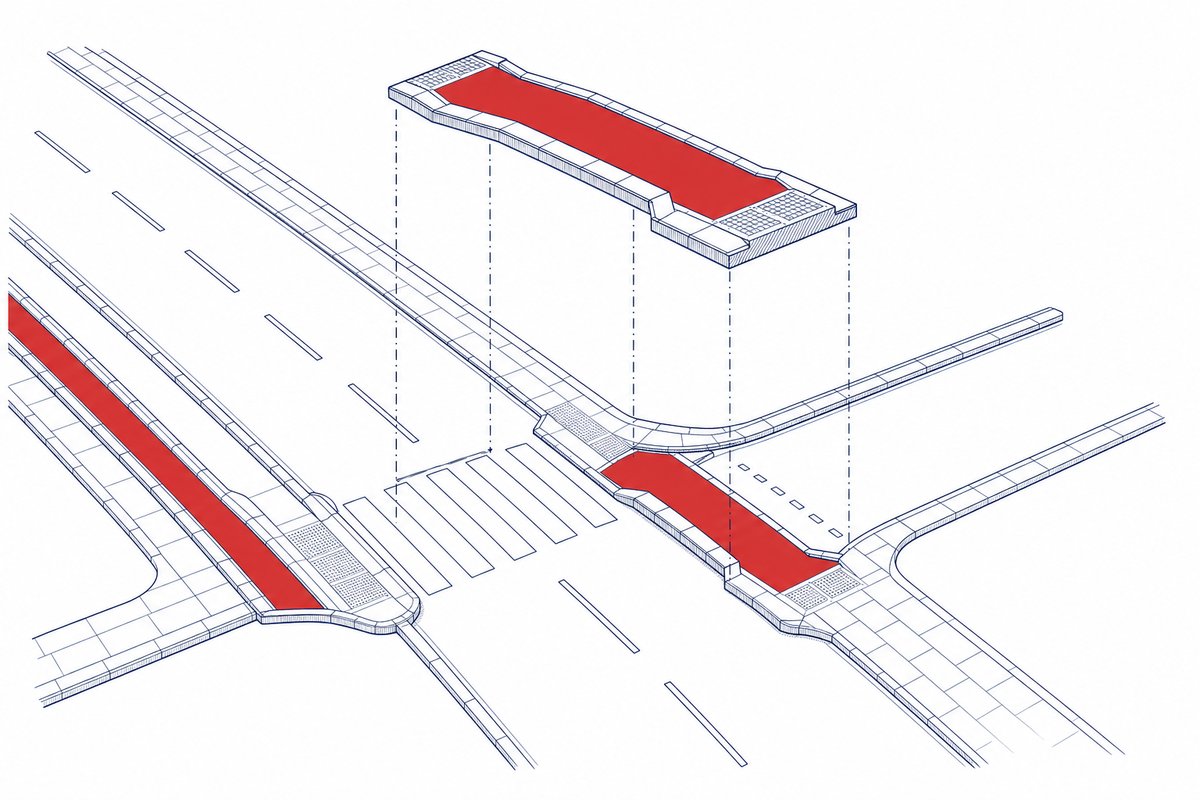
Guides to cycle campaigning
Most cycle campaigning in the UK happens one council decision at a time. Each guide is short and practical, written for someone with an evening a week to give rather than a full-time job. Start with the one that matches the decision in front of your council right now.
- 3.1
Responding to a council consultation
A consultation response is read by an officer with a spreadsheet. Short, specific, numbered points that refer to the drawings get counted; long letters about cycling in general do not. Say where you ride, what the scheme changes for you and what you would change in it.
- 3.2
Reading a Local Cycling and Walking Infrastructure Plan
An LCWIP has two parts that matter: the network map and the priority list. The map shows where the council wants routes; the list shows which ones it intends to build first. Most campaigning is about moving a route up the list.
- 3.3
Starting a local group
Three people, a mailing list and one clear first issue are enough. A ward-level problem — a junction, a missing dropped kerb, a school street — gives a new group something to win in its first year.
- 3.4
Making the case with evidence
Councillors respond to counts, photos and names. Count the bikes at a junction on a weekday morning, photograph the gap in the route, and bring residents who will say why they want it.

Cycling laws in the UK, in plain words
The rules for people cycling sit mostly in the Highway Code (rules 59 to 82), the Road Vehicles Lighting Regulations 1989 and a handful of older Acts. Most disputes between people cycling and people driving turn on a handful of rules that are widely misremembered. The short version:
- Pavements
- Cycling on a footway is an offence under the Highway Act 1835 unless it is signed as a shared path.
- Lights
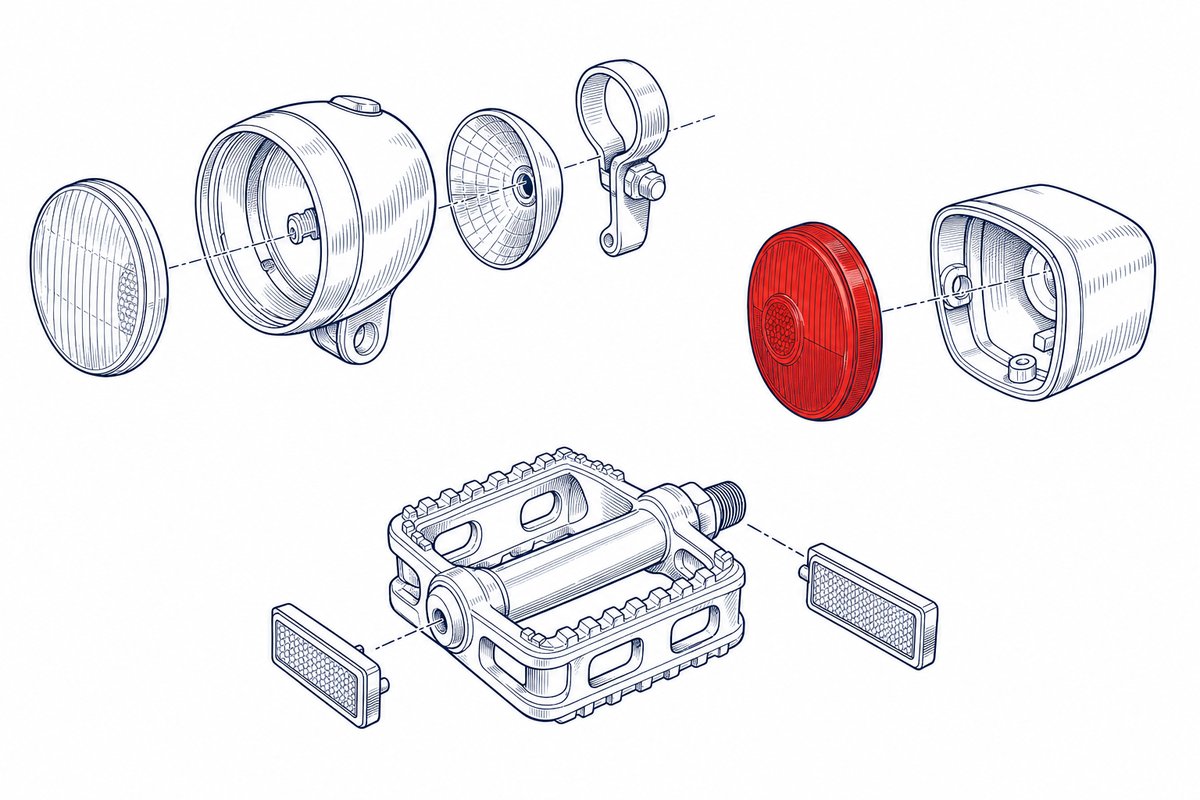
- After dark a bike needs a white front light, a red rear light, a red rear reflector and amber pedal reflectors.
- Position
- The Highway Code now says you may ride in the centre of your lane on quiet roads, in slow traffic and at junctions, to make yourself clearly seen.
- Insurance
- Cycle insurance is not a legal requirement in the UK, but third-party cover is worth having, and some memberships include it.
- Drink
- Cycling while unfit through drink or drugs is an offence under the Road Traffic Act 1988.
Read the full cycling law guide → Cycle insurance and other questions →
From the archive: a federation of local campaigns
From the 1990s until 2019 a federation of local cycle campaign groups linked campaigners across Britain. It began as the Cycle Campaign Network and took the name Cyclenation in 2011. It published a newsletter, kept a directory of member groups, ran an annual campaigners' conference and collected papers by planners and engineers.
The archive pages on this site keep that record as history:
- Conferences 2012–2018: programmes, speakers and venues.
- Papers: including John Franklin's "Principles of cycle planning", given at the Cycling Futures seminar in Manchester on 29 May 2009.
- Newsletters: CCN News and Cyclenation News.
- The National Cycle Mapping Standard, a grading scheme for cycle routes still referenced by mappers.
Questions readers ask
Q 6.1Is Cyclenation a campaign group?
No. Cyclenation is an independent magazine. It writes about cycle campaigning and the local groups that do it, and links to them; it does not campaign or take members.
Q 6.2How do I find cycle campaign groups near me?
Use the region chooser above or the full groups directory. Every listed group runs its own site and meetings.
Q 6.3Do I have to ride in a cycle lane?
No. Cycle lanes and tracks are not compulsory. The Highway Code asks you to use them where they make your journey safer and easier, and leaves the choice to you.
Q 6.4Can I ride two abreast?
Yes. The 2022 Highway Code says riding two abreast can be safer in larger groups or with children, and asks riders to move into single file when it is safe to let faster traffic pass.
Q 6.5Do I need cycle insurance in the UK?
It is not compulsory. Third-party liability cover protects you if you injure someone or damage property; theft cover is a separate question, and home insurance sometimes includes it.
Q 6.6Where did the old Cyclenation pages go?
The guides, groups directory, conference archive and papers are kept on this site under their topics. Use the archive section or the search to find them.